



Barefoot Shoes vs Insoles: What Do Your Feet Really Need?
Barefoot shoes have become a huge trend recently, and with that, a lot of strong opinions have appeared online. Many people now say that all you need for healthy feet is to strengthen them naturally and wear barefoot shoes. Some even claim that insoles weaken the feet and can be harmful. As a physiotherapist, I think the reality is much more nuanced than that.
It’s true that barefoot shoes can have benefits for some people. They are designed to allow the foot to move more naturally, with thin soles, little cushioning, and more space for the toes. Research has shown that barefoot-style footwear can help strengthen the intrinsic foot muscles, which are the small muscles inside the foot responsible for stability and control. For healthy individuals without pain or structural issues, this can sometimes improve foot function and awareness over time.
But stronger feet alone are not always enough to solve every problem. I often see people with plantar fasciitis, flat feet, tendon pain, or chronic overload trying barefoot shoes because they were told support is bad for them. In some cases, their symptoms actually become worse. That’s because painful or overloaded tissues usually need support to reduce stress while healing.
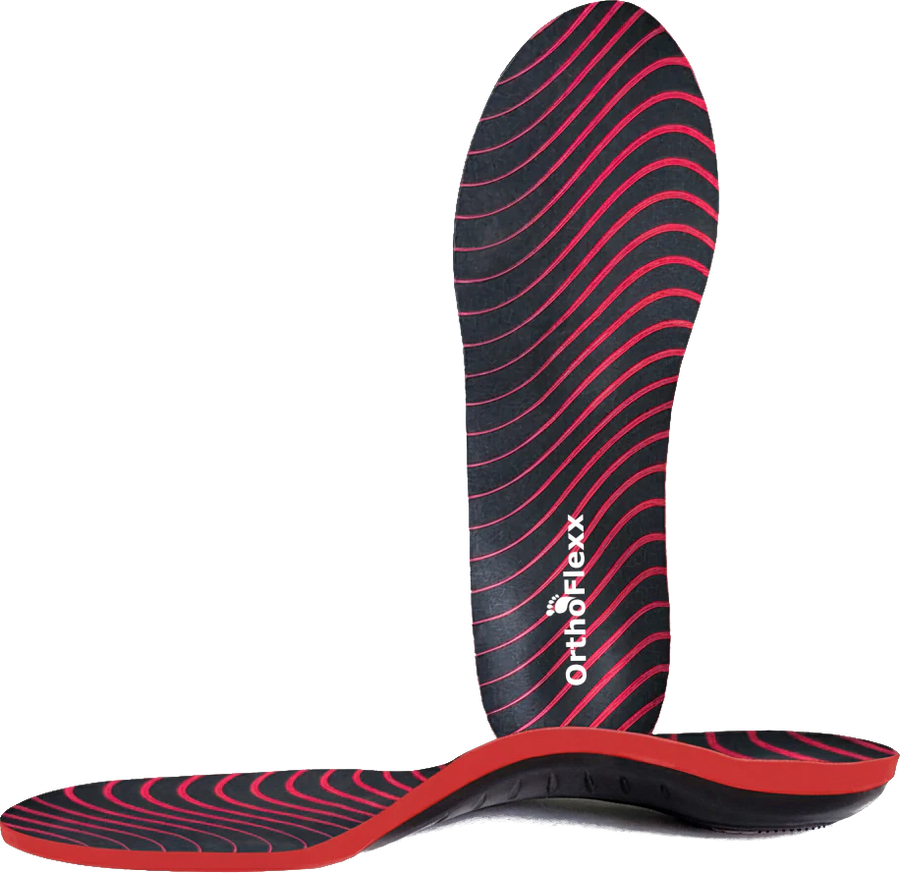
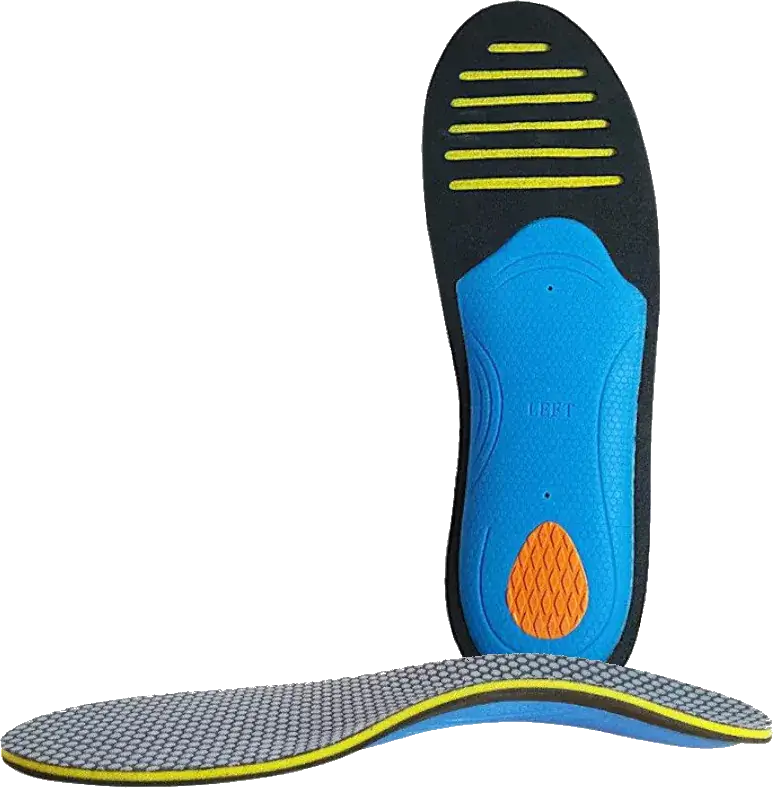
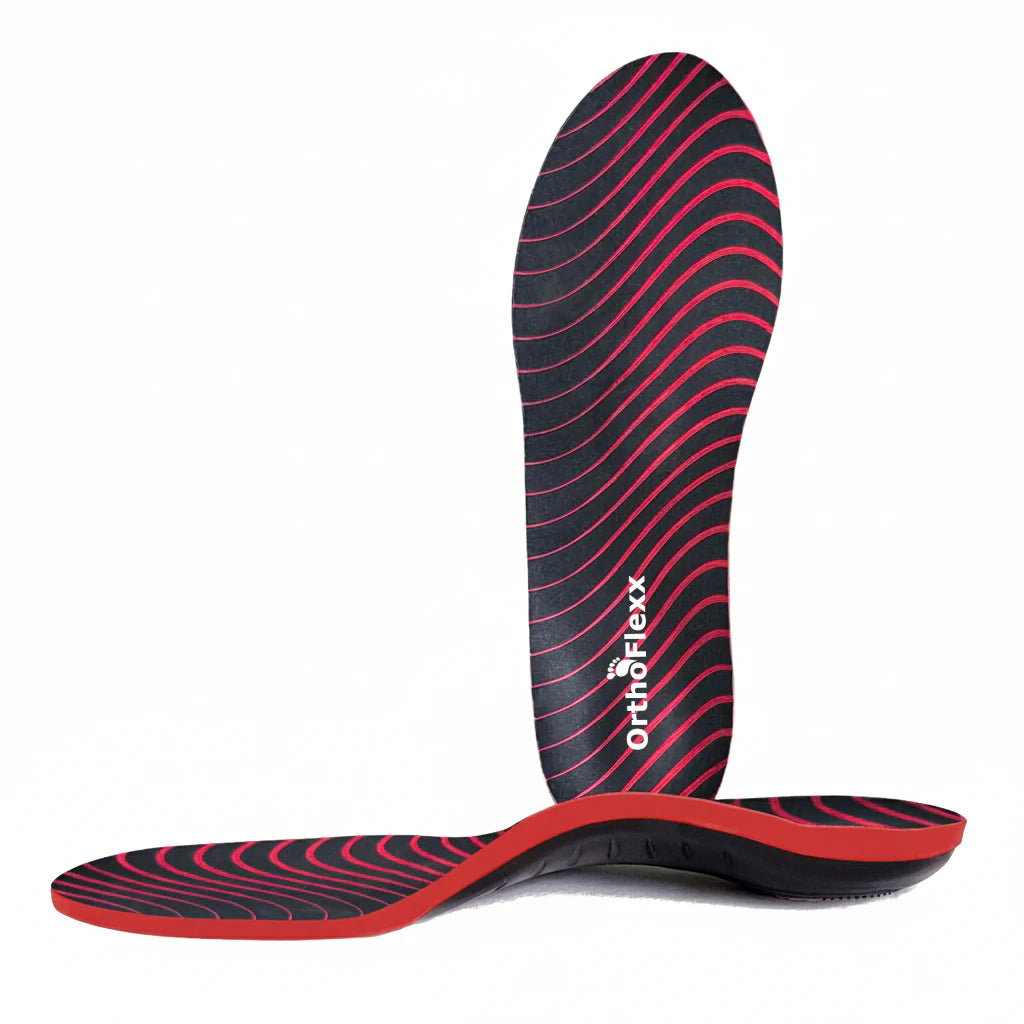
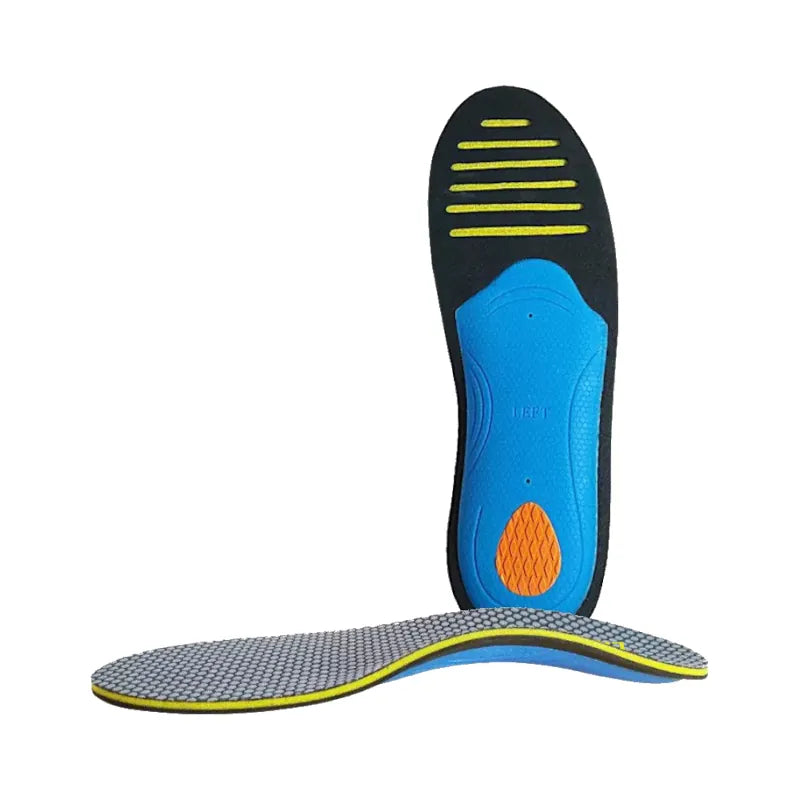
Insoles are not inherently bad for the feet. When prescribed correctly, research shows they can be very useful tools. Supportive insoles help distribute pressure more evenly, reduce strain on sensitive tissues, and improve comfort during walking or standing. For someone with flat feet or persistent heel pain, this support can make daily activities much more manageable.
The important thing to understand is that support and strength are not opposites. In many cases, the best approach is combining both. I often recommend supportive insoles together with intrinsic foot strengthening exercises. Exercises like toe spreading, calf raises, towel scrunches, and balance work help improve the foot’s capacity while the insoles reduce excessive stress during recovery.
Another mistake I commonly see is people transitioning too quickly into barefoot shoes. Even healthy feet need time to adapt. Wearing minimalist shoes all day from the beginning can overload the calves, achilles tendon, and plantar fascia. A gradual transition is usually much safer.
In the end, there is no universal solution that works for everyone. Some people do very well in barefoot shoes, while others genuinely need support. Usually people with prior foot pain do not do very well with barefoot shoes. The goal should not be to follow trends, but to understand what your own body needs. If you are unsure, getting assessed by a physiotherapist or podiatrist can help you find the right balance between foot strength, mobility, and support for your specific situation.