



Can You Keep Running With Plantar Fasciitis?
“When can I go back to running?”
As a physiotherapist, I get this question all the time from athletes and even casual runners after developing plantar fasciitis. For many people, running is not just exercise. It is part of their routine, their stress relief, and sometimes even their identity. That is why it can feel frustrating when heel pain suddenly interrupts it.
The good news is that plantar fasciitis does not always mean you must completely stop running. However, it is important to understand what your body is telling you and avoid pushing through pain too early.
How plantar fasciitis usually starts
Many runners first notice discomfort during their first steps in the morning or after long periods of sitting. At the beginning, the pain may only appear after a run. Over time, if the irritation continues, it can start during the run itself and even affect normal walking.
Can you keep running with plantar fasciitis?
Whether you can continue running depends on the severity of your symptoms. If the pain is mild, does not change your running form, and settles quickly afterward, some people can continue running with reduced mileage and proper recovery. But if the pain becomes sharper, causes limping, or feels worse the next morning, it is usually a sign the tissue is not tolerating the load well.
The biggest mistake runners make
One of the biggest mistakes runners make is trying to return too quickly. Continuing to overload the tissue can turn a small problem into a long-lasting injury that takes months to settle.
What to do while your foot recovers
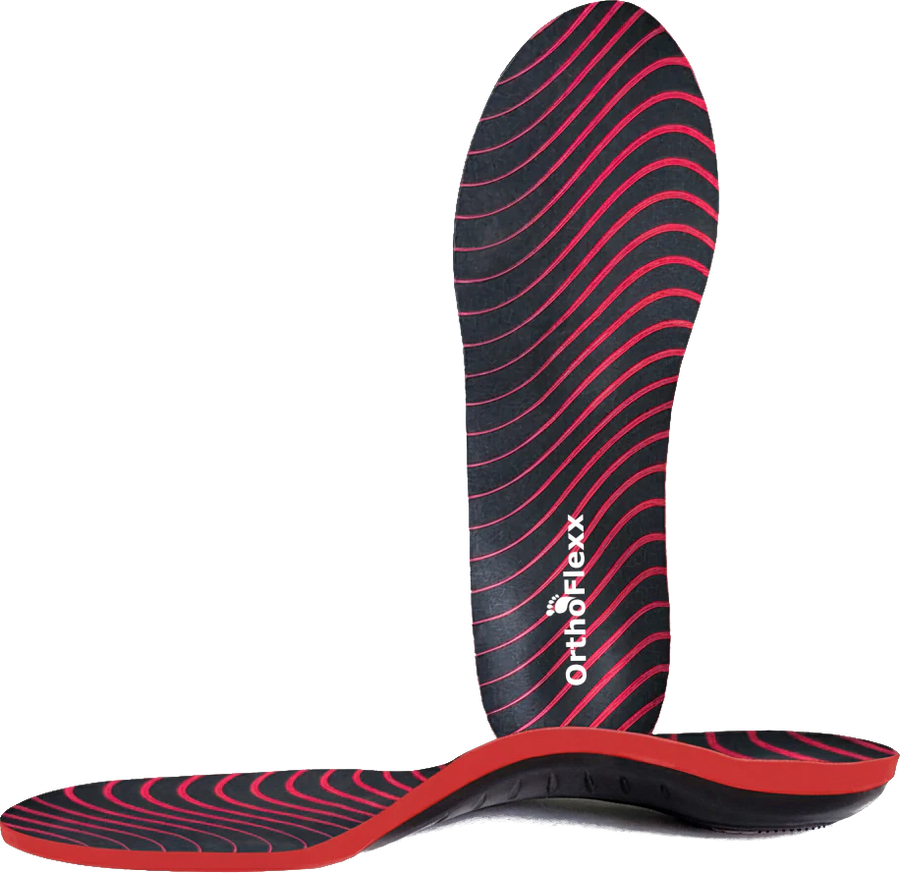
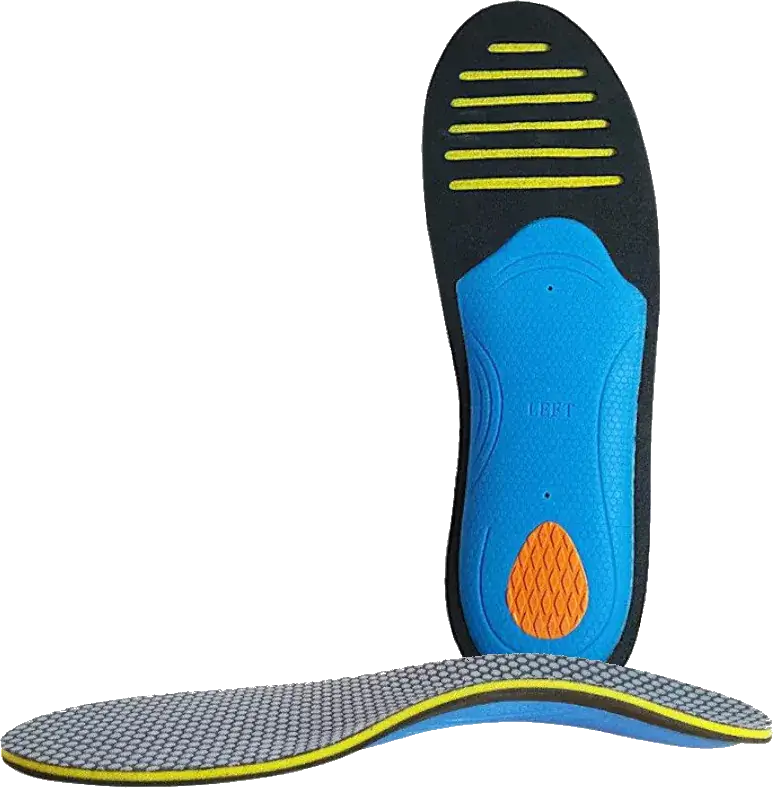
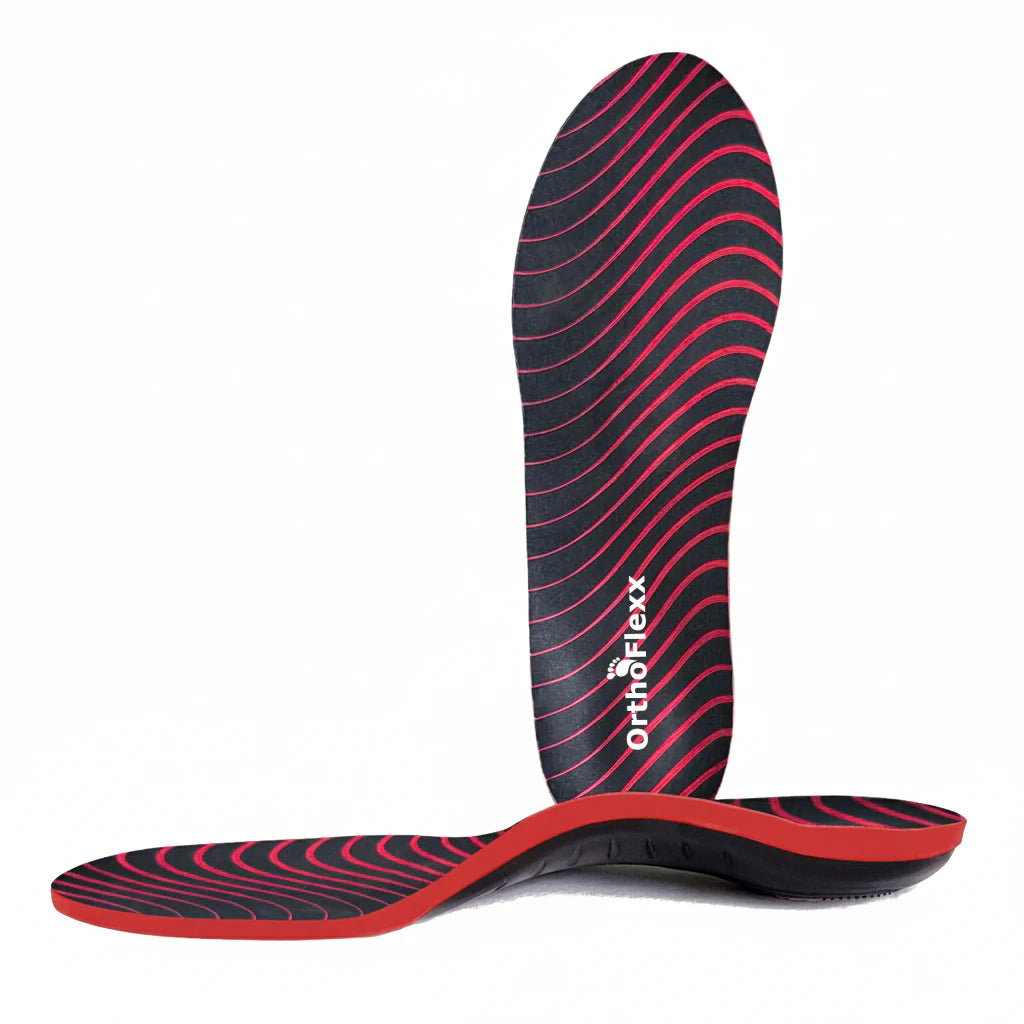
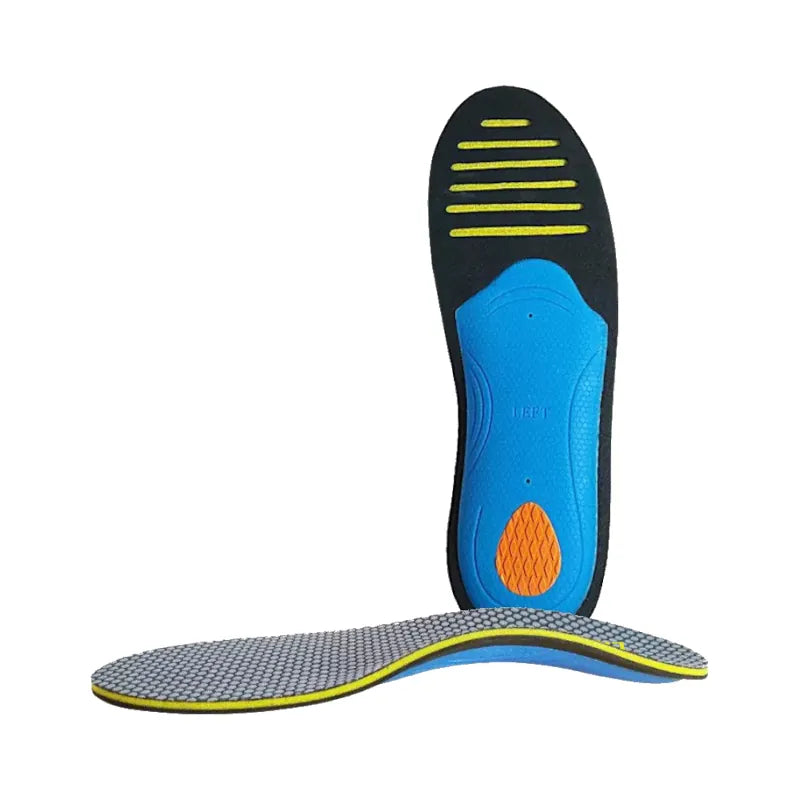
During recovery, it helps to temporarily reduce impact activities and focus on stretching the calves and the bottom of the foot. Rolling a ball or frozen water bottle under the foot can help calm irritation. Wearing supportive shoes with proper arch support is also very important, especially if your current shoes are worn out or too flat.
You do not have to stop exercising
In some cases, replacing running with lower-impact activities like cycling or swimming for a few weeks allows the tissue to recover without completely stopping exercise.
The most important thing is to listen to your symptoms rather than forcing a timeline. Most runners do get back to running successfully, but giving the foot time to heal properly usually leads to a faster and safer return in the long run.