



Do steroid injections really fix plantar fasciitis long term?
People dealing with frustrating, recurrent plantar fasciitis, often find some relief with steroid shots.
Steroid shots often feel like a miracle at first
The pain eases quickly, sometimes within a day or two, and it finally feels possible to walk or work without wincing. But then the relief fades, and the pain slowly returns, sometimes even worse than before. It can feel confusing and discouraging, so it’s important to understand why it happens.
What steroid injections actually do
Steroid injections don’t repair the plantar fascia or correct the underlying cause of the problem. What they do is reduce inflammation in the irritated tissue, which is why they bring fast relief. The issue is that plantar fasciitis is rarely just an inflammation problem.
The challenge is that plantar fasciitis is rarely just an inflammation issue. It’s usually driven by deeper factors, such as:
- Tight calf muscles
- Weak foot stabilizers
- Insufficient arch support
- Repeated impact on an already stressed heel
If those deeper factors don’t change, the tissue gets irritated again once the medication wears off.
Repeated injections become less effective
Another reason steroid shots help less over time is that they don’t improve the strength or resilience of the plantar fascia. In some cases, repeated injections can even weaken the tissue temporarily, making it harder for the fascia to handle daily loads. This doesn’t mean the first injection was wrong, but it shows why injections alone aren’t a long-term solution. A steroid shot can be a useful window to begin gentle exercises and gradually increase the tissue’s tolerance without being limited by pain.
What helps create lasting relief
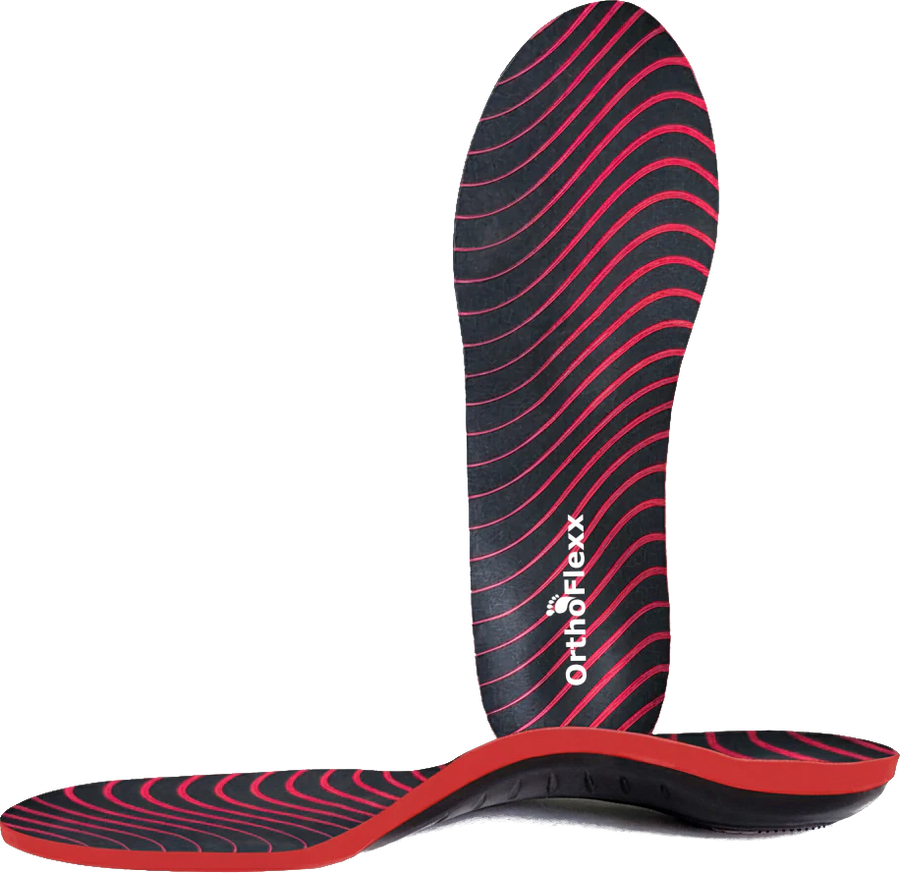
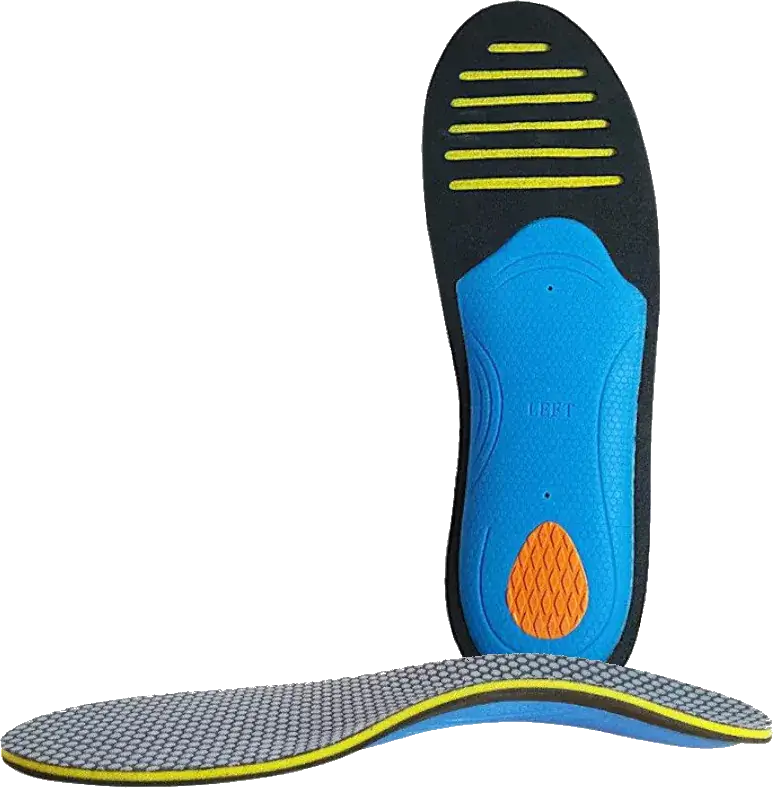
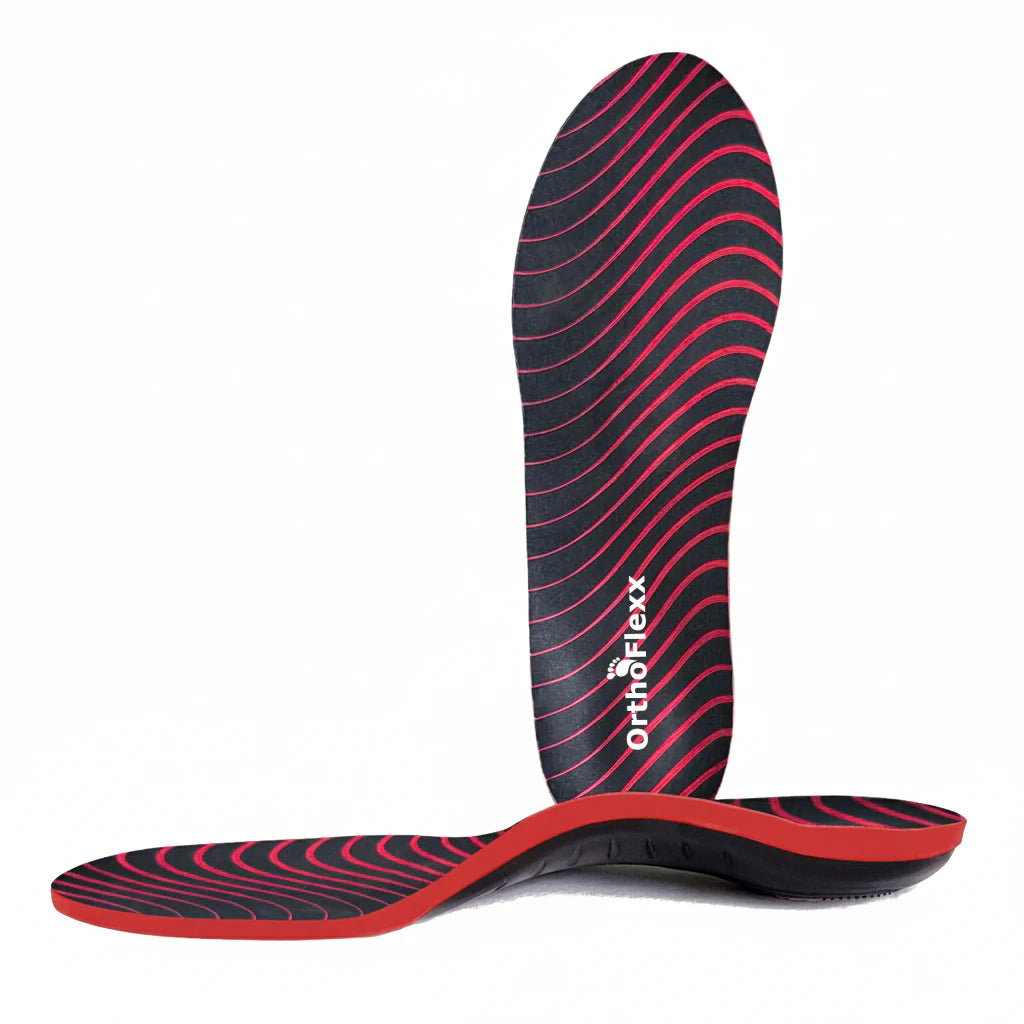
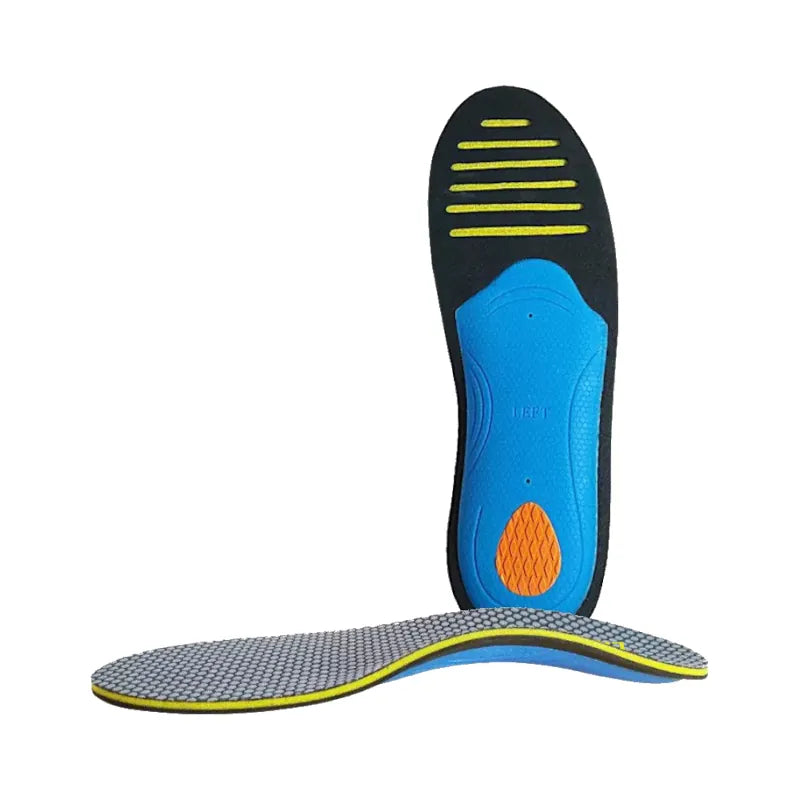
To get lasting relief, it helps to focus on calming the tissue while also rebuilding its ability to handle stress. Stretching the calves, strengthening the intrinsic foot muscles, and wearing supportive shoes or insoles can make a huge difference. Reducing barefoot time on hard floors and gradually easing back into activity can also prevent flare-ups. For many people, rolling the foot on a ball, doing gentle morning stretches, and improving overall foot mechanics provides more consistent results than relying on injections.
The good news
Plantar fasciitis is very treatable with the right combination of support and progressive exercise. Steroid shots can be a helpful reset, but the long-term progress usually comes from patient, steady work. Be kind to yourself and trust that with the right approach, the heel pain will settle.