



How to Know If You Need Arch Support?
Have you ever wondered whether you actually need arch support? Maybe you've been told you have flat feet and assumed that means you should wear supportive insoles, or perhaps you're experiencing foot pain and aren't sure if a lack of support is the problem. The truth is, having flat feet doesn't automatically mean you need arch support, just as having high arches doesn't mean you don't. What matters most is how your feet function and whether they're causing you discomfort. In this article, I'll explain the signs that arch support may help, who is most likely to benefit from it, and how to tell if your feet are getting the support they need.
A common sign that you may benefit from arch support is pain in the heel or arch, especially when you first get out of bed in the morning or after standing for long periods. You might also notice that your feet become tired quickly, your shoes wear out more on one side, or your ankles seem to roll inward when you walk. In some cases, foot problems can even contribute to discomfort in the knees, hips, or lower back because of changes in the way your body moves.
Many people assume that only those with flat feet need arch support, but that is not always true. People with high arches can also need extra support because their feet often do not absorb shock as effectively. The goal of arch support is not to force your foot into a different shape. Instead, it helps distribute pressure more evenly, improve stability, and reduce unnecessary strain on the muscles and soft tissues.
One simple way to assess your feet is to pay attention to how they feel after a typical day. If you regularly experience soreness, fatigue, or aching after walking or standing, your footwear may not be providing enough support. Shoes that bend very easily through the middle or have worn out cushioning can make these symptoms worse.
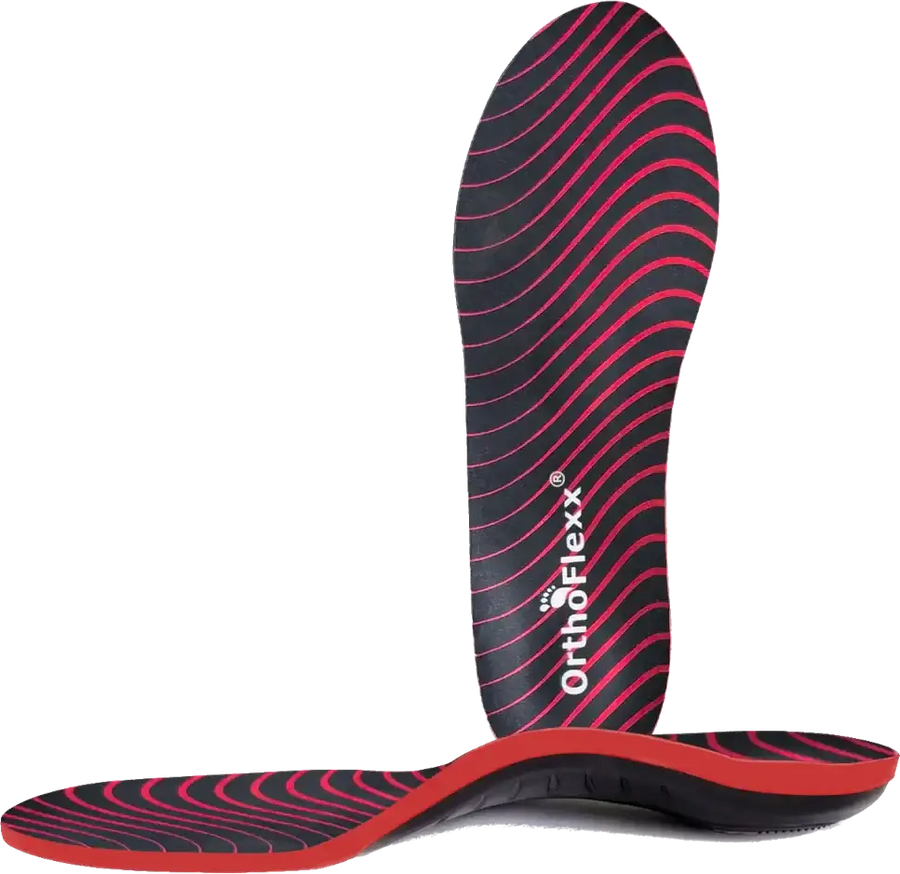
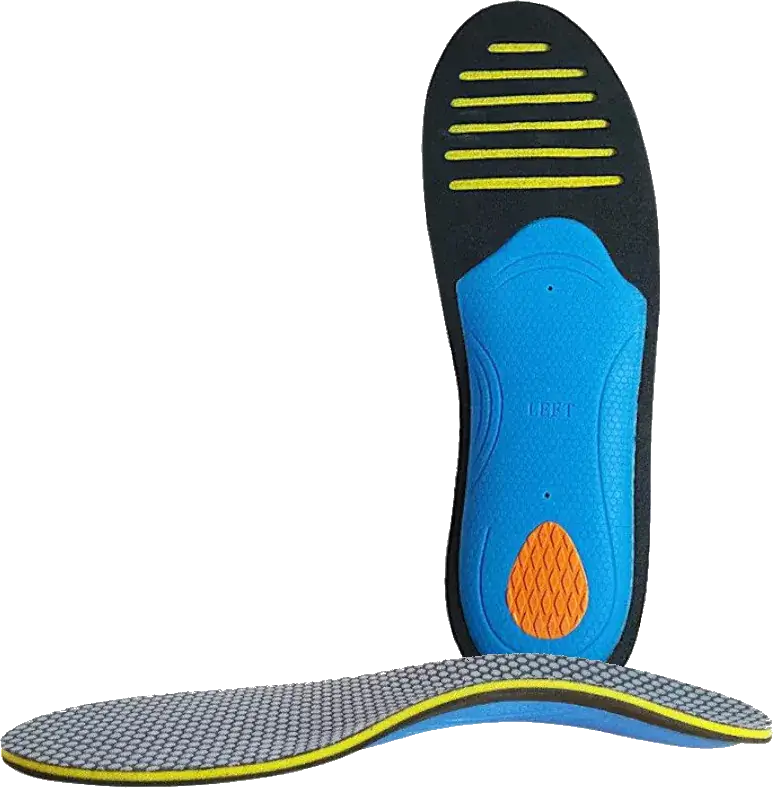
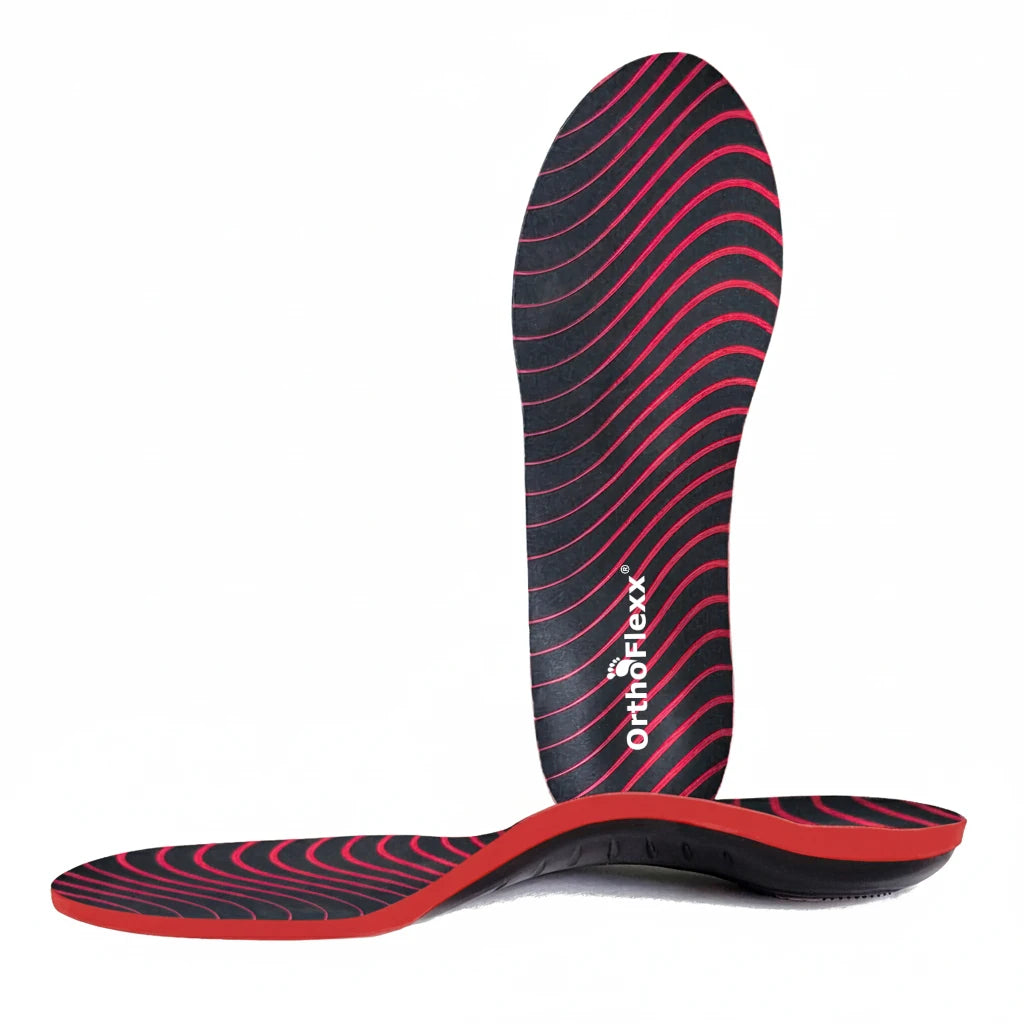
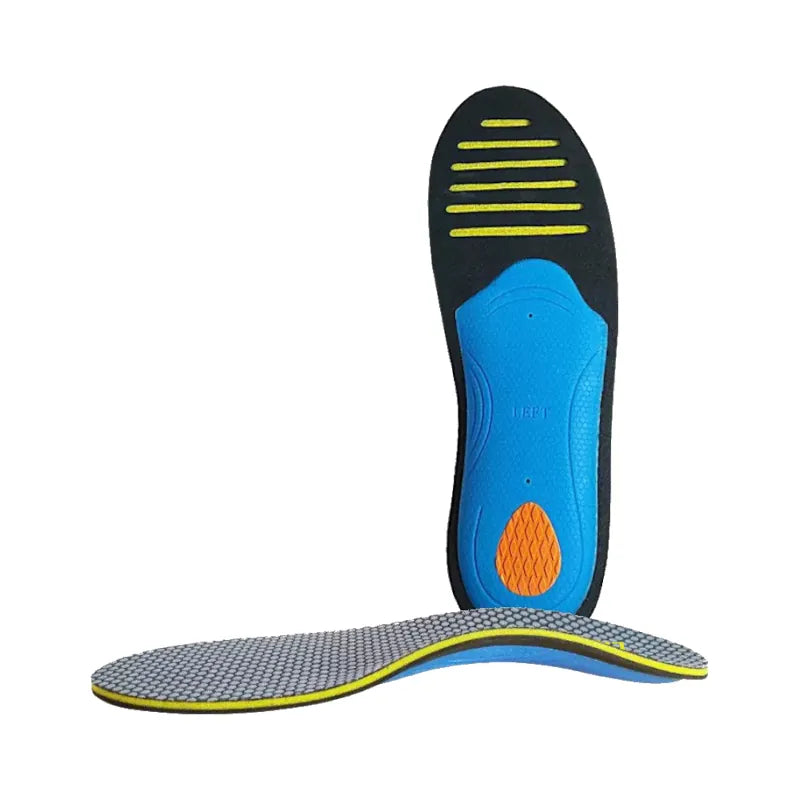
If you are experiencing discomfort, try wearing supportive shoes with a firm sole and a stable heel. If your shoes fit well but still lack support, firm arch support insoles can often improve comfort by helping your feet stay in a more stable position throughout the day. At the same time, stretching your calves, strengthening the muscles in your feet, and gradually increasing activity can all help reduce strain and improve foot function.
Remember that persistent foot pain should never be ignored. While arch support can make a significant difference for many people, it is important to identify the underlying cause of your symptoms. If the pain continues or begins to affect your daily life, consider seeing a physiotherapist or podiatrist for a proper assessment. Looking after your feet today can help keep you comfortable and active for years to come.