



Is Rest or Strengthening Better for Plantar Fasciitis?

It's a common question related to all types of issues or pain. Is it better to rest or to do exercises?
With plantar fasciitis many people have the same doubt, should they rest their foot completely or focus on strengthening it? The truth is that both can help, but timing and balance are very important.
Is complete rest actually slowing your recovery?
Many people think complete rest is the best solution. In the early stages, reducing activities that worsen the pain is definitely helpful. If every step feels sharp or painful, your body is asking for a temporary reduction in load. However, resting for too long without rebuilding strength can actually slow recovery. The foot and calf muscles may become weaker, which increases strain on the plantar fascia once you return to normal activities.
Why stronger feet could be the key to lasting relief
That’s why strengthening is usually one of the most effective long term approaches. Stronger foot and calf muscles help support the arch better and reduce the pressure placed on the irritated tissue. Simple exercises like calf raises, towel scrunches with the toes, or balancing on one foot can gradually improve strength and stability. The key is to progress slowly and avoid pushing into strong pain.
The simple stretches that can make your mornings easier
Stretching also plays an important role. Tight calves and Achilles tendons often increase tension under the foot. Gentle calf stretches and rolling the sole of the foot over a small ball or frozen water bottle can help reduce discomfort, especially in the morning when symptoms are often worse.
Could your shoes be keeping your foot pain alive?

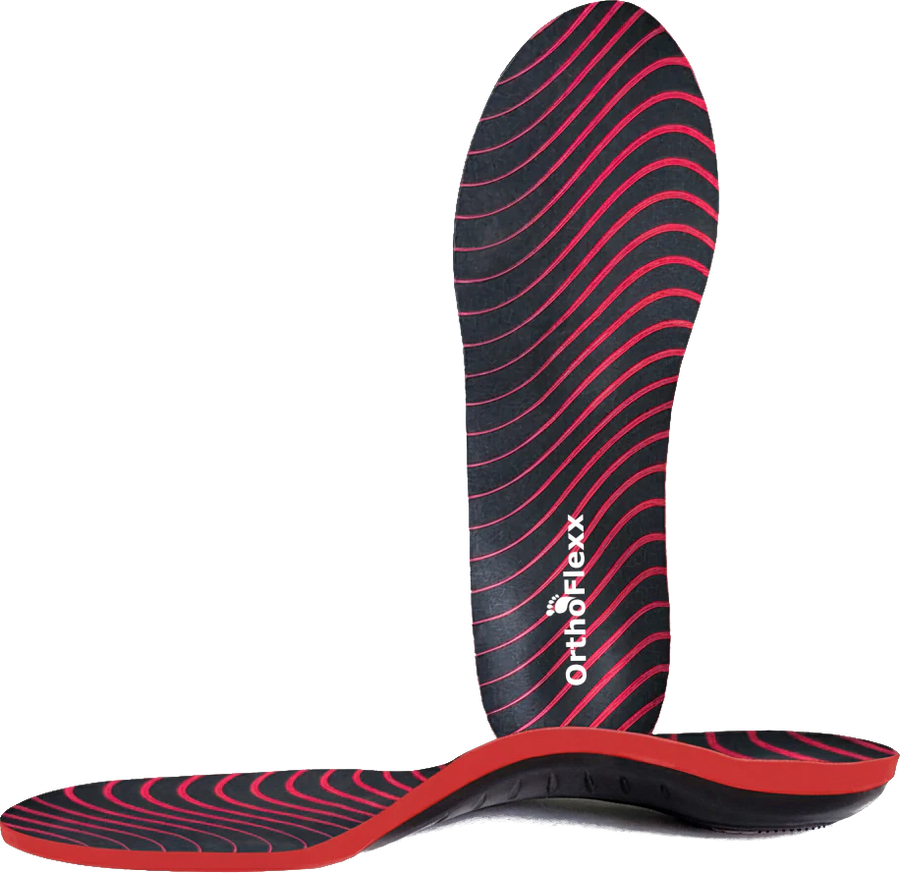
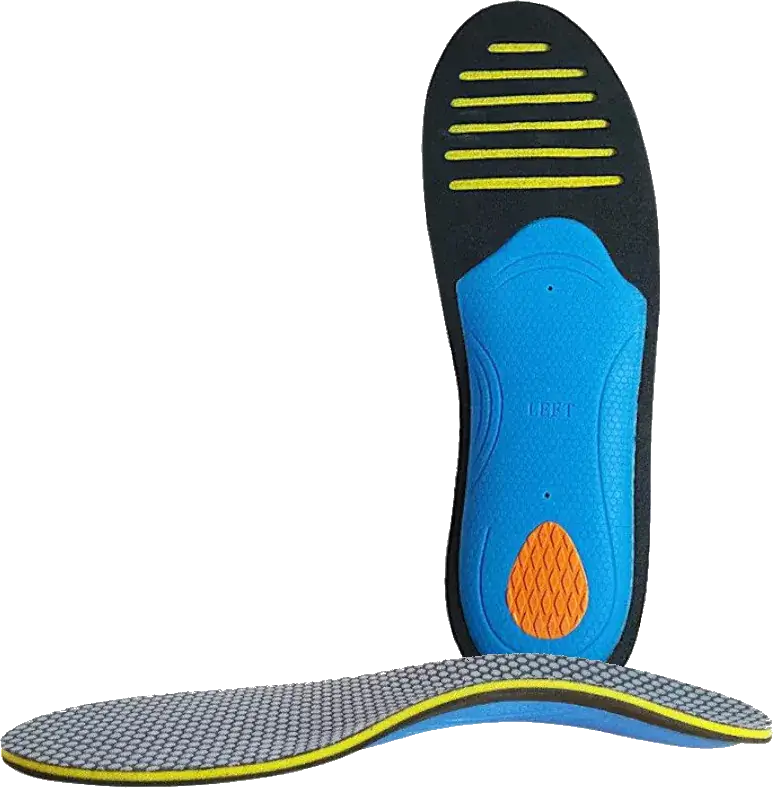
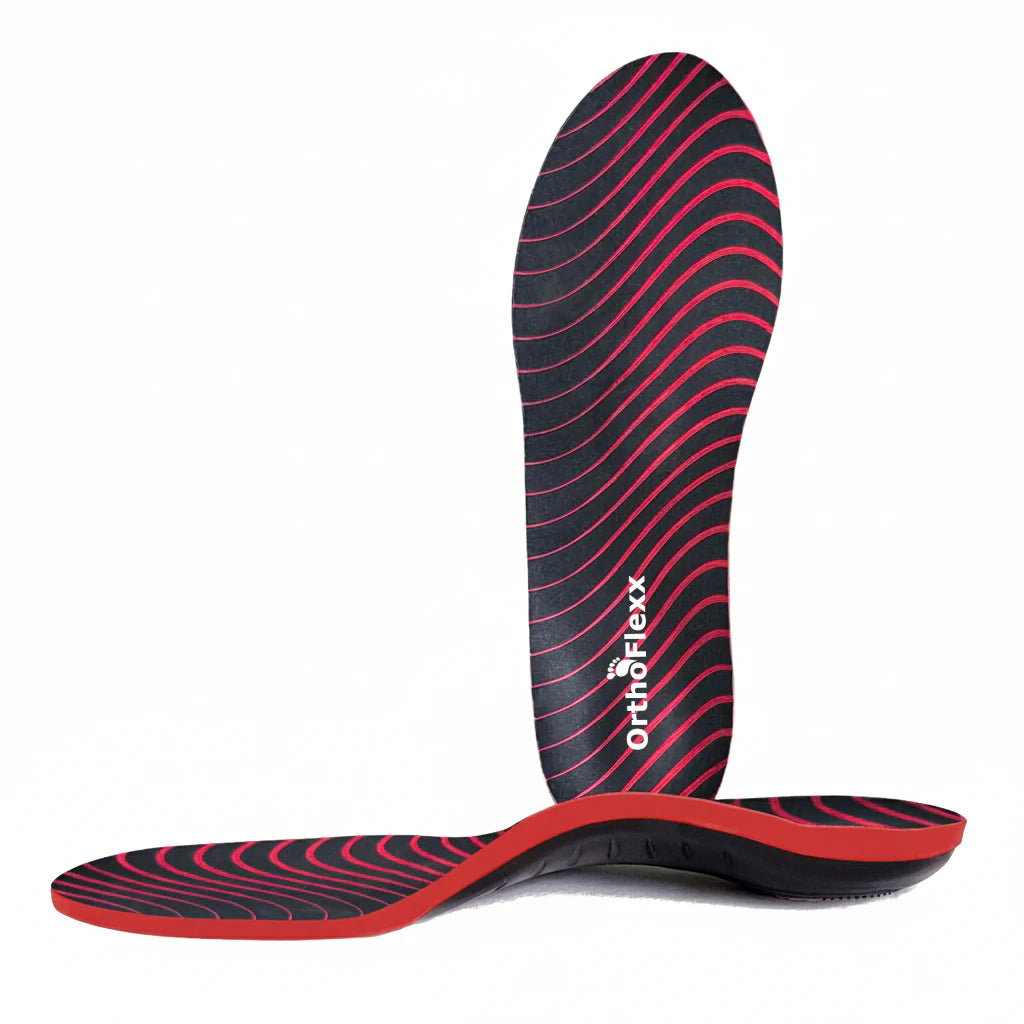
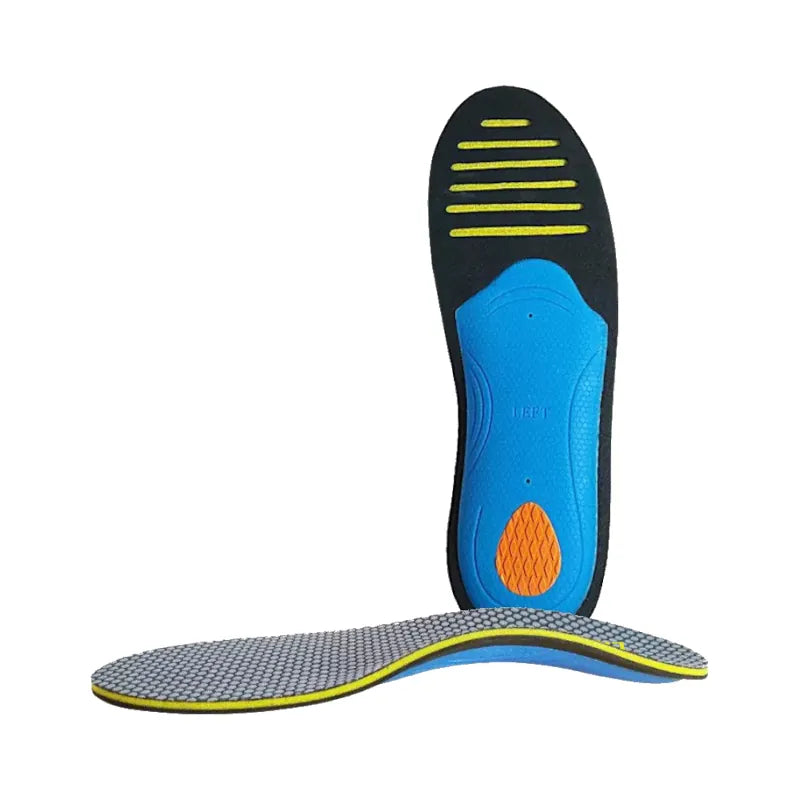
Footwear matters more than many people realize. Very flat or unsupportive shoes can keep irritating the fascia throughout the day. Supportive shoes with cushioning around the heel and proper arch support can make a noticeable difference.
The secret to recovery: Finding the right balance
In most cases, the best approach is not complete rest or aggressive exercise, but a combination of relative rest, gradual strengthening, stretching, and proper support. Healing takes time, and symptoms often improve step by step rather than overnight. It's important to listen to the body and understand at which stage the body is.
In doubt, if your pain continues for several months or becomes severe, it’s worth seeing a physiotherapist or podiatrist for a more personalized assessment. With the right approach and a bit of patience, most people can return to walking, exercising, and daily life with much less pain.