



Plantar Fasciitis Do’s and Don’ts: What Helps Most?
Plantar fasciitis is one of the most common foot problems I see in my clinic. Many people describe it as a sharp pain under the heel, especially during the first steps in the morning or after sitting for a long time. The good news is that, in most cases, it improves with the right care and a few important changes in daily habits.
One of the best things you can do is reduce excessive strain on the foot while still keeping it moving. Complete rest is usually not necessary (and sometimes even counter-productive), but constantly pushing through pain can make the irritation worse. If an activity causes strong heel pain during or after, it’s a sign your foot needs a bit more recovery.
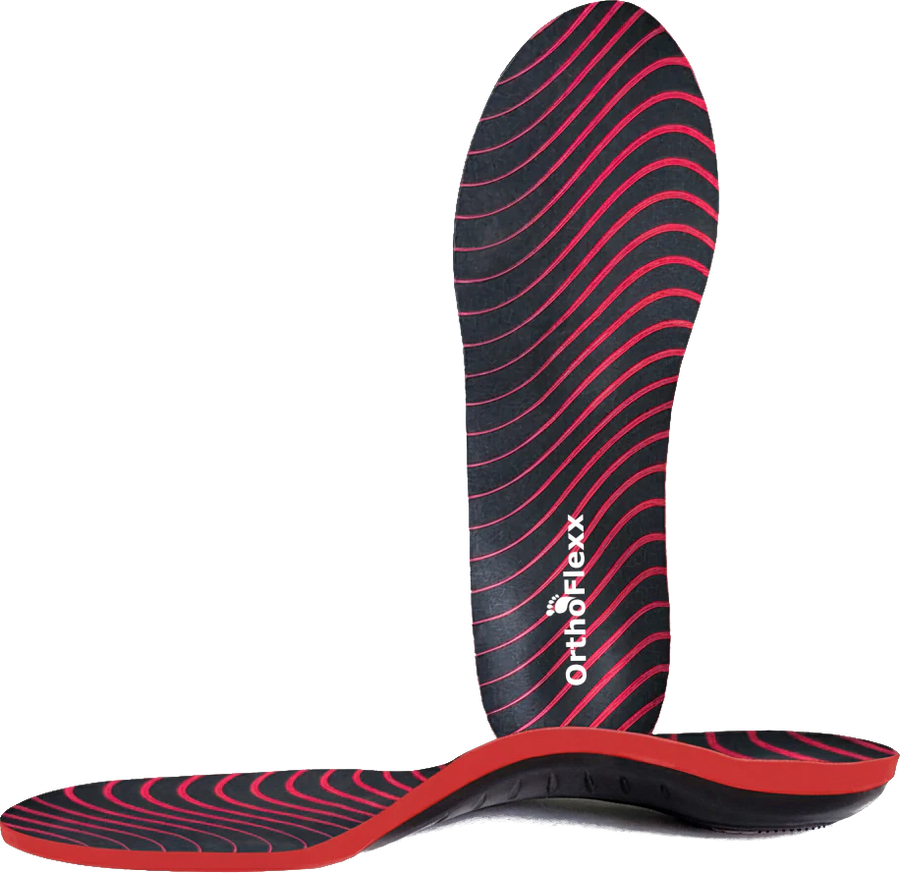
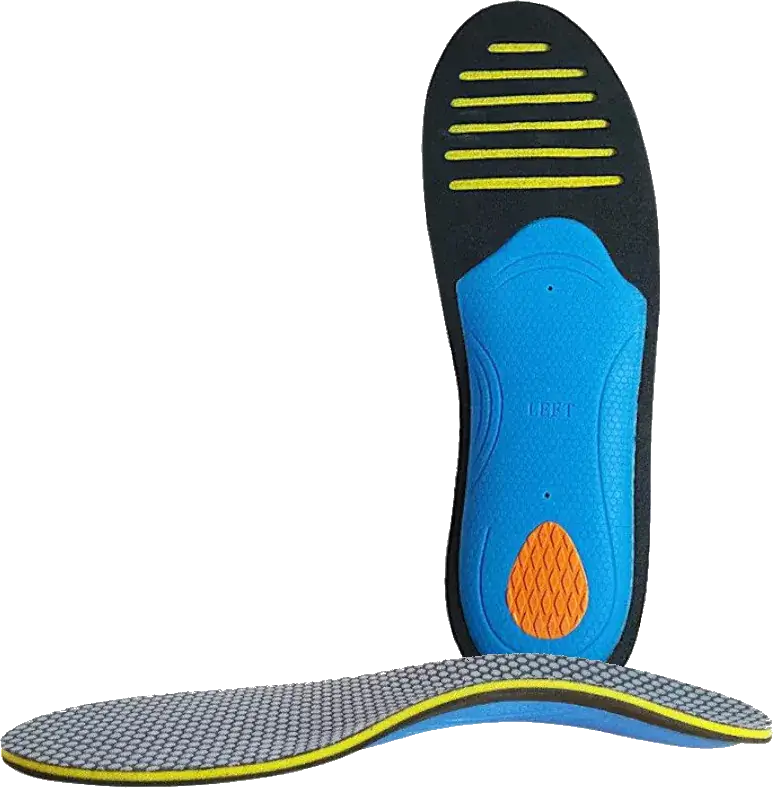
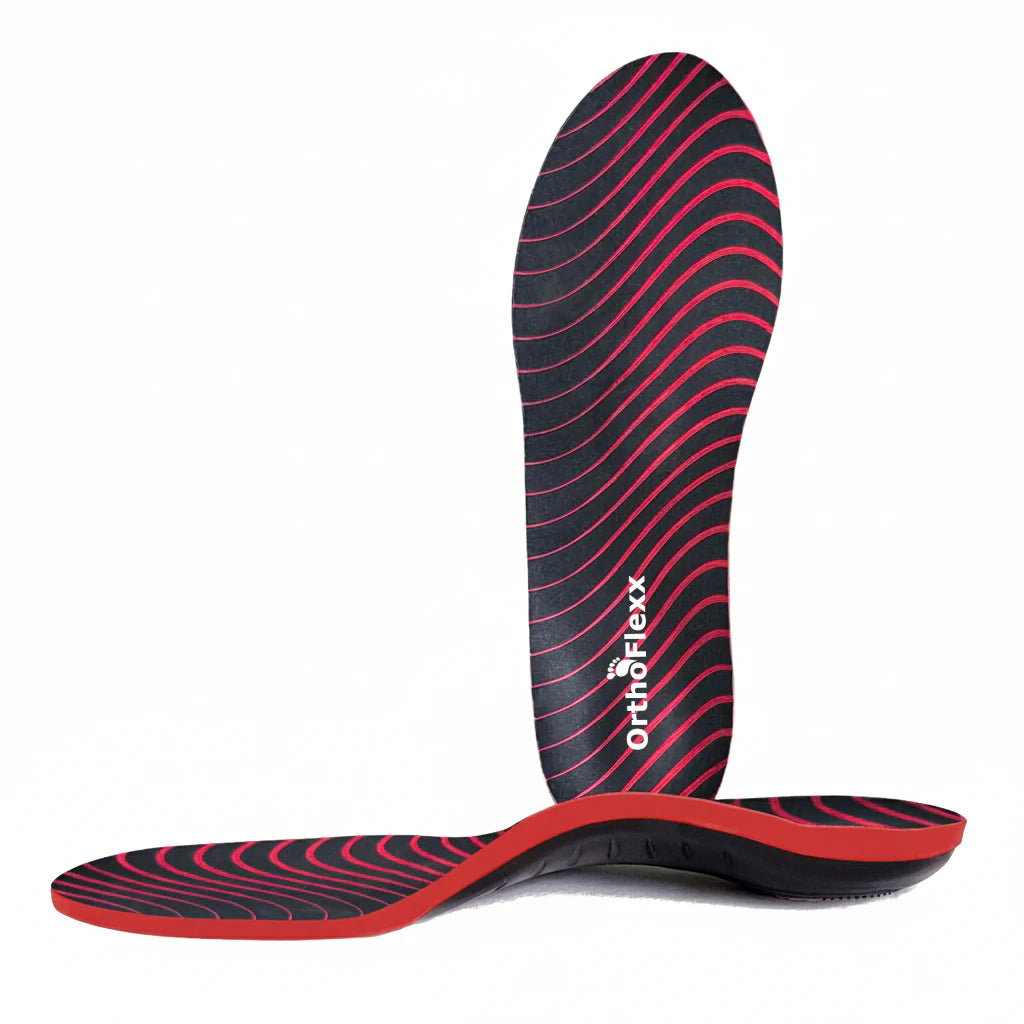
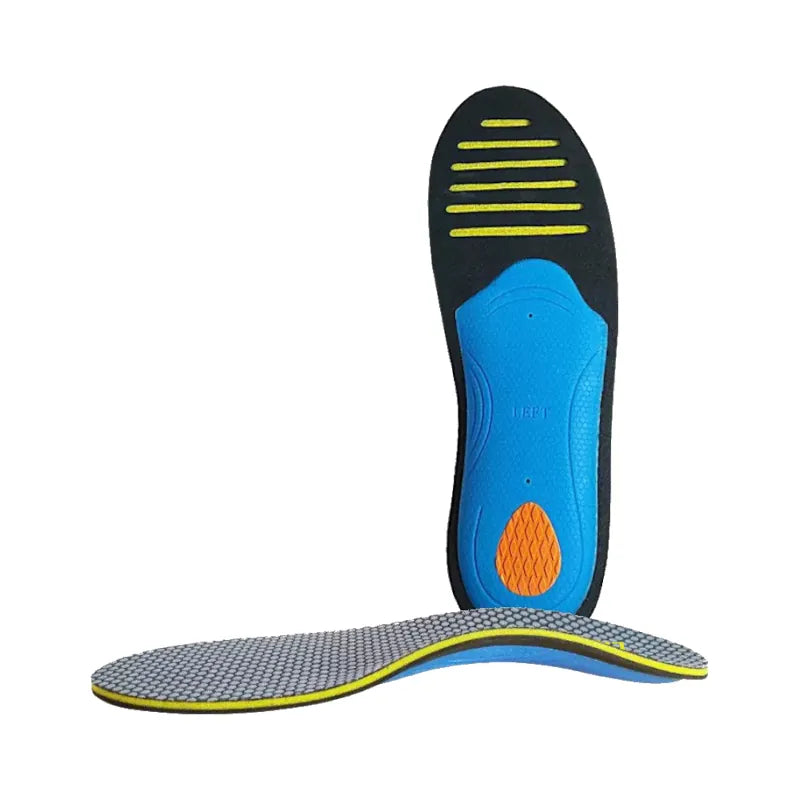
Supportive footwear is extremely important. Walking barefoot on hard floors is something I usually recommend avoiding. Shoes with proper cushioning and arch support can help reduce stress on the plantar fascia. Very flat or worn out shoes often make symptoms worse.
Stretching also plays a big role in recovery. Tight calves and Achilles tendons increase tension under the foot. Gentle calf stretches and rolling the sole of the foot over a small ball or frozen water bottle can help ease discomfort. I also encourage simple strengthening exercises for the foot muscles because stronger feet tolerate pressure much better over time.
What you should not do is ignore persistent pain for months while hoping it disappears on its own. Continuing high impact activities without adapting them can prolong the condition. It’s also important not to rely only on painkillers without addressing the actual cause of the strain.
Recovery from plantar fasciitis usually takes patience. Some people improve within weeks, while others need a few months depending on how irritated the tissue is. Small daily habits often make the biggest difference.
If your pain keeps getting worse or starts limiting your daily activities, it’s worth getting assessed by a physiotherapist or podiatrist. With the right guidance, most people recover very well and return to normal activities comfortably.