




What does plantar fasciitis feel like?
"I have an intermitent pain on my foot." "My heel really hurts when I get out of bed." "It feels like I'm stepping on a stone." These are some of the first things people tell me when they come in with plantar fasciitis. Heel and arch pain are common, but knowing whether it’s truly plantar fasciitis helps you manage it properly.
What plantar fasciitis actually is
Plantar fasciitis happens when the thick band of tissue along the bottom of your foot—the plantar fascia—becomes irritated or inflamed. This tissue connects your heel to your toes and supports your arch every time you walk. When it’s overused or strained, tiny tears can form, leading to pain and stiffness. This often happens to people who stand for long hours, walk on hard floors, or wear unsupportive shoes.
How the pain typically feels
The pain usually feels sharp or stabbing at the bottom of your heel, especially with your first steps in the morning or after resting. It may ease as you move around but tends to come back later in the day, particularly after long periods of standing or walking. Some people also notice tenderness along the arch or tightness in the calf.
What you can do to help
If these symptoms sound familiar, there’s a lot you can do to help.
- Wear supportive shoes with firm arch support and cushioning under the heel
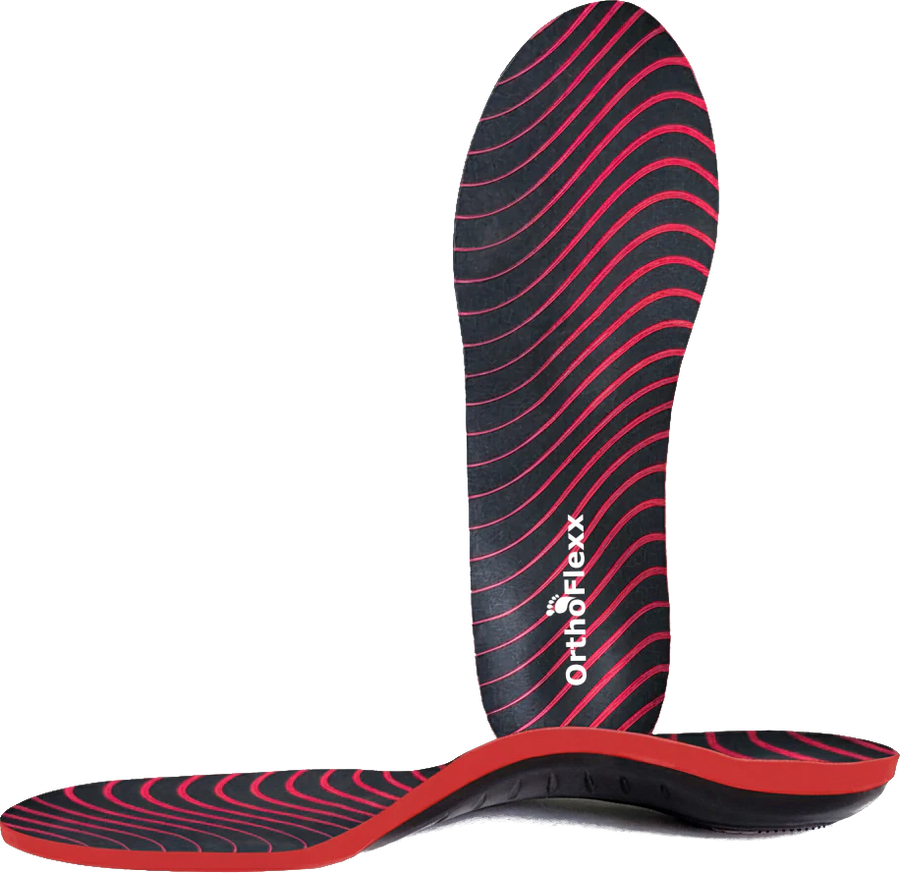
- Use insoles that provide structured, firm support
- Avoid flat or worn-out footwear
- Try not to walk barefoot on hard surfaces
- Roll your foot over a cold water bottle or massage ball to ease inflammation
- Stretch your calves and arches regularly to release tension
Support your recovery overall
It also helps to look after your overall health. A balanced diet rich in anti-inflammatory foods, proper sleep, and good stress management all play a role in helping your body recover and reduce inflammation more effectively.
When to seek further help
Not all heel pain is plantar fasciitis, so if your symptoms don’t improve after a couple of weeks, it’s worth seeing a physiotherapist or podiatrist for a proper assessment. With the right care and consistency, most people make a full recovery. Take it step by step—your feet deserve that care and patience.